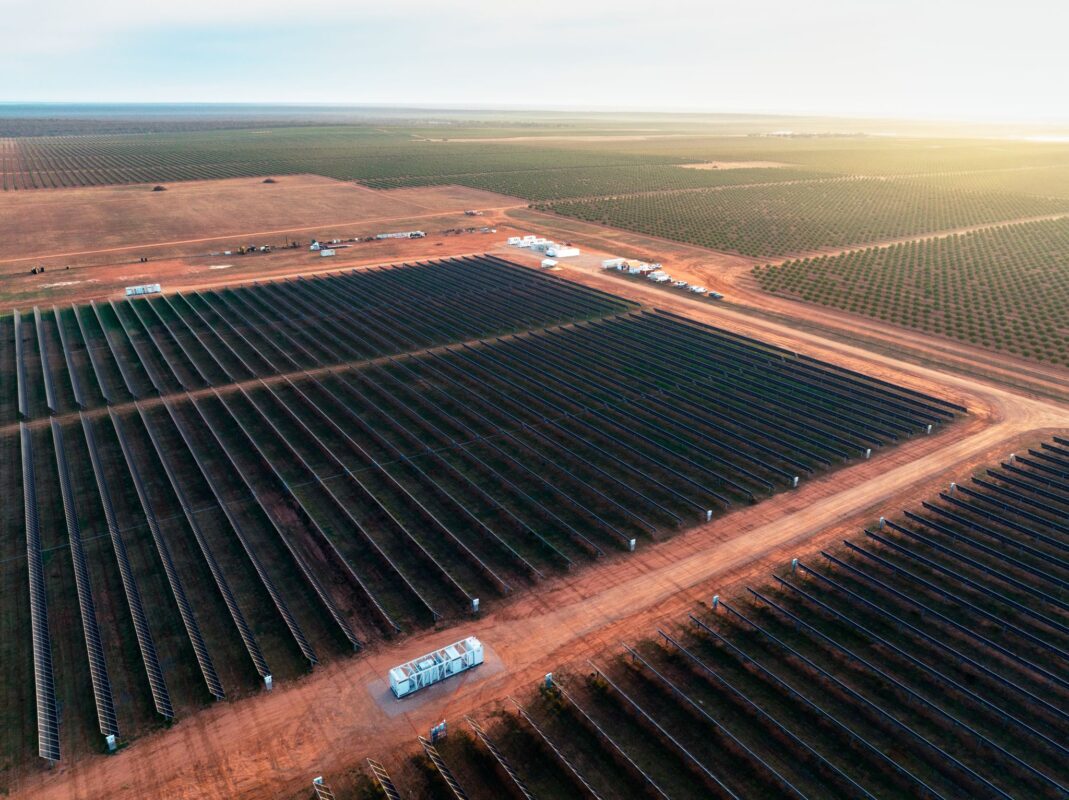
Australian retailer AGL Energy will deliver a 9.2MWp solar-plus-storage microgrid for Koompartu Farms in South Australia’s Riverland.
Why it matters: Iberian ag-tech needs off-grid resilience, not just cheaper bills—start pitching islanding before your competitors do.
Flick AI is a CRM for solar installers: the AI answers WhatsApp leads in seconds, builds proposals with automatic panel layouts and books the site visit. See how it works.
The Death of the 'Grid-Tied' Mindset
I’ve walked enough dusty farm sites in Portugal’s Alentejo and Spain’s Extremadura to know that the biggest hurdle isn't the price of a LONGi module—it’s the 24-month wait for a grid connection from E-Redes or Endesa. AGL’s 9.2MWp project in South Australia’s Riverland is a mirror image of the Iberian challenge: high solar irradiance, intensive agriculture, and a grid that is either non-existent or fragile at the 'edge of the line.'
Why This Isn't Just 'Another Farm Project'
Most European installers are still stuck in the 'Feed-in-Tariff' or simple 'Self-Consumption' mindset. A 9.2MW microgrid is a different beast entirely. It’s an exercise in grid-forming capability. If you are a developer in Southern Europe, you need to stop asking 'how much can I export?' and start asking 'how much can I island?' When you move to this scale for a single agricultural client, you are moving away from €/kWh competition and into mission-critical infrastructure.
A Signal to the 'Wait-and-See' Crowd
If you're waiting for EU subsidies to make microgrids viable, you're already late. The real driver is the RED III directive and the push for Renewable Energy Communities. AGL is proving that at 9MW, the ROI on total autonomy is already there for large-scale farming. For an installer in Iberia, this is your cue to partner with a BESS specialist and start pitching grid-independence to every irrigation-heavy farm in your CRM.