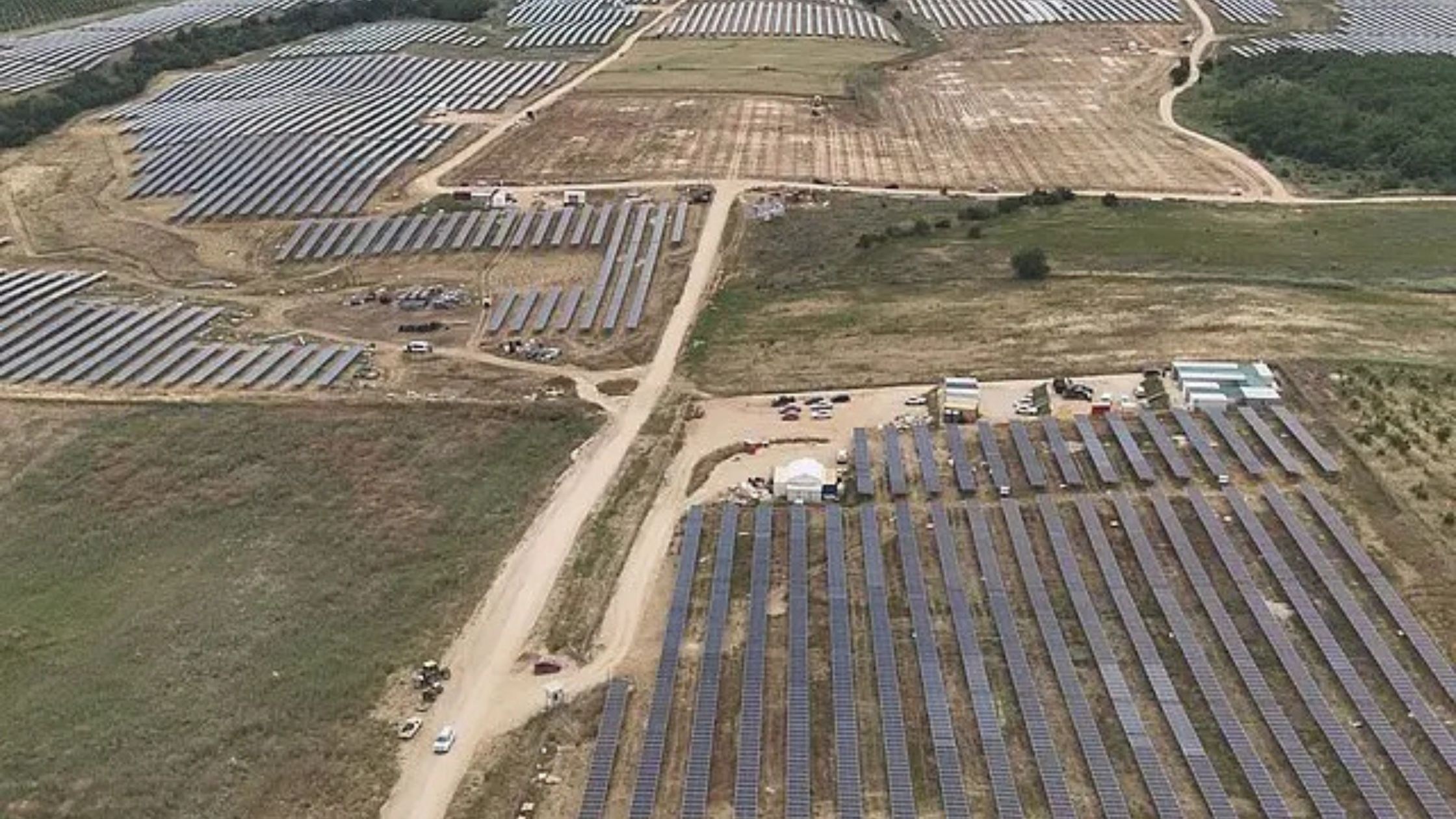
JUWI has achieved 1 GW of renewable energy capacity under construction globally, with ongoing projects including 1.3 million solar modules and 46 wind turbines.
Why it matters: Scale is becoming the only way to absorb the rising costs of European permitting delays and grid integration challenges.
Flick AI is a CRM for solar installers: the AI answers WhatsApp leads in seconds, builds proposals with automatic panel layouts and books the site visit. See how it works.
The Brutal Math of Global EPC
While 1 GW under construction sounds like a PR victory lap, for a company like JUWI (backed by the German utility MVV Energie AG), it represents a survival strategy in a market where margins are being squeezed by every conceivable angle. In the current European landscape, being a mid-sized EPC is a dangerous middle ground. You lack the agility of local residential shops and the purchasing power of the giants. JUWI hitting this scale is a clear signal: to navigate the volatility of the EU energy market, you need massive volume to offset the ‘hidden’ costs of development.
The Mediterranean Bottleneck
The mention of archaeological discoveries in Greece and Italy isn't just a quirky anecdote; it’s a warning for anyone eyeing the high-irradiation markets of Southern Europe. We’ve seen projects in the Peloponnese and Puglia delayed by years because of a single pottery shard. For an installer or developer, this is a reminder that technical competence is only 40% of the job. The other 60% is navigating the permit-heavy bureaucracy and environmental impact assessments (EIA) that vary wildly between EU member states.
Diversification is the New Default
Note that JUWI isn't just building solar; they are managing a mix of 1.3 million modules and 46 wind turbines. For the pure-play solar installer in Portugal or Spain, the takeaway is clear: hybridization is moving from a niche concept to a corporate requirement. As grid saturation becomes a reality across the continent, those who can integrate wind or BESS (Battery Energy Storage Systems) into their proposals are the ones who will secure the remaining grid connection points.
The Money Angle: At 1 GW under construction, JUWI is likely leveraging procurement advantages that shave 3-5% off the BOS (Balance of System) costs compared to smaller regional players. If you're competing against these numbers in the C&I or utility-scale space, your edge cannot be price; it must be local grid intimacy and faster execution times.