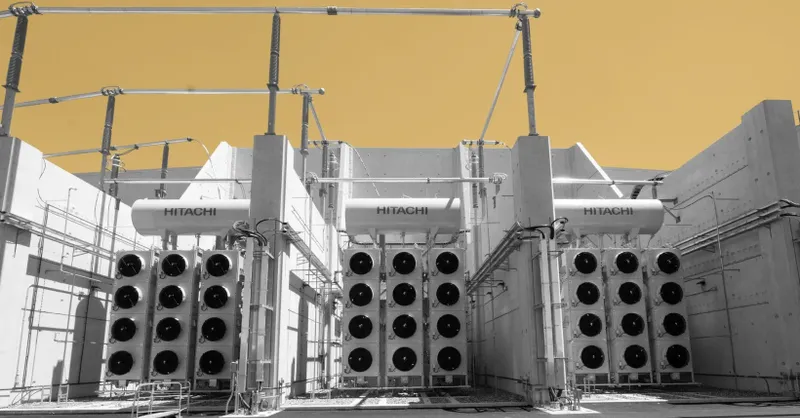
When renewable energy credits hit the market as soon as next month, New York City building owners will for the first time be able to support a clean energy project
Why it matters: If EU regulators allow cheap certificates to replace onsite solar, your C&I project pipeline for the next decade will evaporate.
Flick AI is a CRM for solar installers: the AI answers WhatsApp leads in seconds, builds proposals with automatic panel layouts and books the site visit. See how it works.
The 'Get Out of Jail Free' Card for Commercial Real Estate
New York’s Local Law 97 was supposed to be the gold standard for urban decarbonization—a stick so heavy it would force every skyscraper owner to call a solar installer. But as the first Renewable Energy Credits (RECs) from Canadian hydropower hit the market, we’re seeing a classic regulatory failure: the commoditization of compliance.
For a solar developer in Berlin, Madrid, or Lisbon, this is the nightmare scenario. Imagine the EU Energy Performance of Buildings Directive (EPBD) finally kicks in, requiring commercial properties to hit Net Zero. You’ve spent months drafting a proposal for a 500kW rooftop array and a 1MWh BESS. Then, the client realizes they can buy 'Green Certificates' from a legacy hydro plant in Norway for a fraction of the Capex. Your deal dies instantly in the CFO's office.
The ROI Killer
If you are pitching C&I projects in Europe, you must become an advocate for physicality. The NYC situation proves that decarbonization on paper is the enemy of hardware in the field. When talking to trade bodies like SolarPower Europe, the message is clear: RECs should be a last resort, not a primary path. Otherwise, the 'Solar Mandate' becomes a line item in a utility's billing software, and your installation teams stay home.