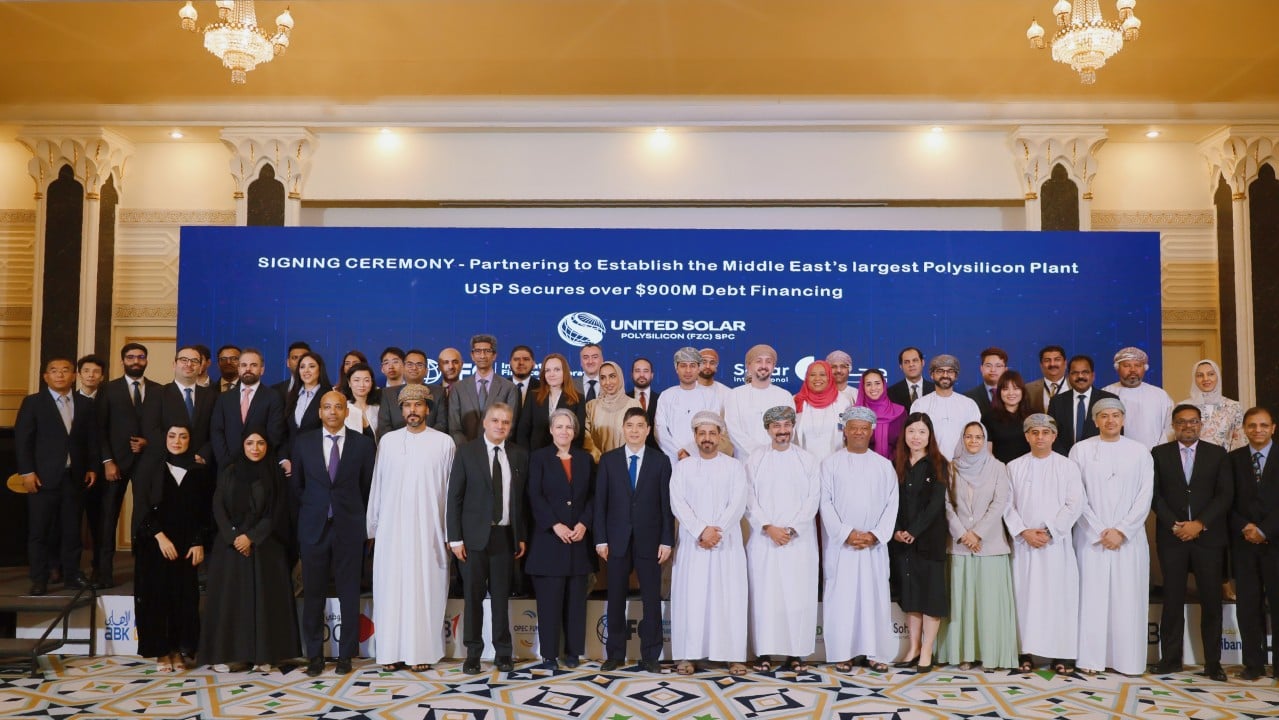
Polysilicon producer United Solar has reached financial close on a US$50 million equity investment from the World Bank Group's International Finance Corporation (IFC) for its polysilicon facility in Oman.
Why it matters: The IFC's backing provides a 'clean' supply chain alternative that helps you bypass EU forced-labor regulations and secure project financing.
Flick AI is a CRM for solar installers: the AI answers WhatsApp leads in seconds, builds proposals with automatic panel layouts and books the site visit. See how it works.
On the surface, a $50 million equity injection for a polysilicon plant is pocket change. Building a world-class polysilicon facility usually costs north of $1 billion. But for European installers and developers, this isn’t about the cash—it’s about the IFC’s stamp of approval. When the World Bank’s private sector arm puts skin in the game, they aren't just looking at IRR; they are auditing the living daylights out of the labor practices and environmental standards.
The Traceability Trap
If you’re an installer in Germany or the Netherlands, the EU’s Forced Labor Regulation and the Corporate Sustainability Reporting Directive (CSRD) are no longer 'future problems.' They are current procurement headaches. Sourcing from Xinjiang is becoming a legal and reputational liability. Oman represents a middle ground: it has the cheap energy required for the power-hungry Siemens process (or FBR), but it sits outside the geopolitical crossfire of the US-China trade war.
Why Oman Wins on Logistics
The Reality Check
Don't expect your module prices to drop tomorrow because of this. This is a 2026-2027 play for physical delivery. However, it signals the end of the Chinese monopoly on the upstream. For developers building 50MW+ portfolios in Iberia, this is the time to start asking your module suppliers if they have an 'Oman-sourced' SKU. If they don't, your project finance might get a lot more expensive when the bank's ESG officer starts digging.