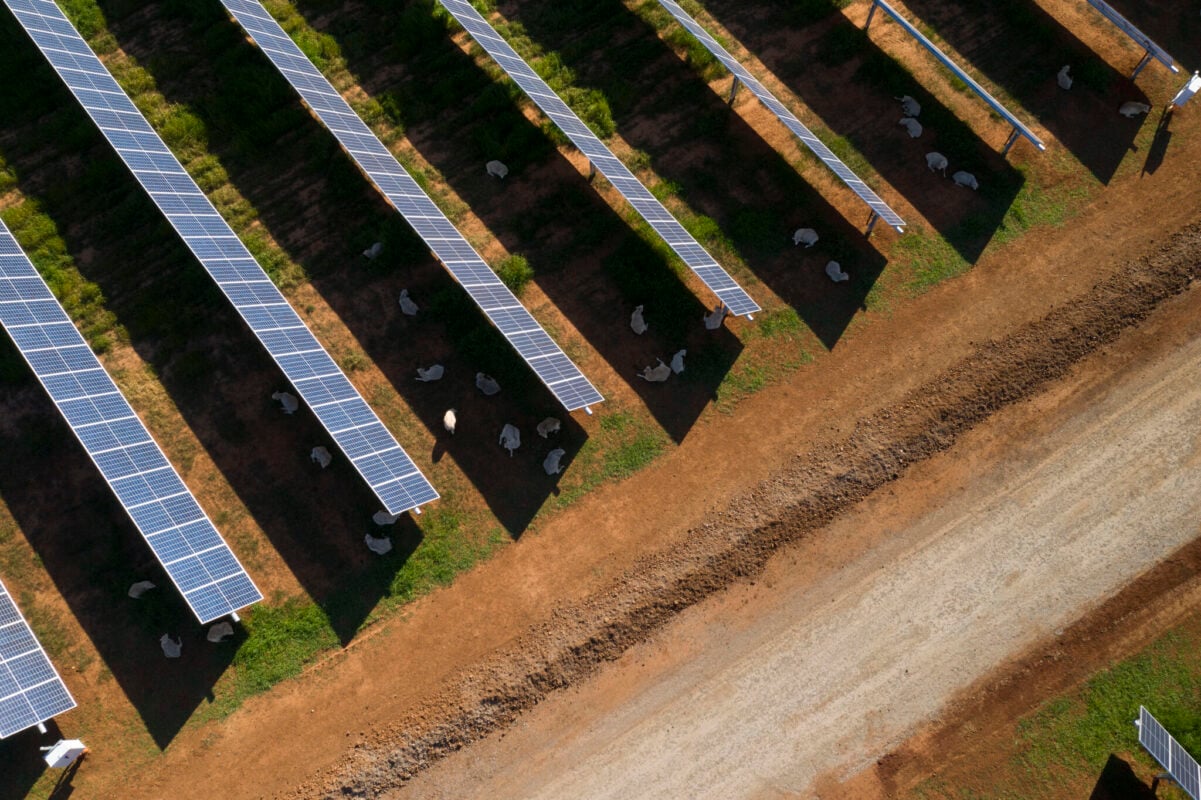
Swedish independent power producer (IPP) OX2 has acquired the Corop solar-plus-storage project in Victoria, Australia, adding a 230MWac solar PV power plant and up to 290MW/1,160MWh of battery energy storage to its Australian portfolio.
Why it matters: The 'storage-first' design (where BESS capacity exceeds PV) is the inevitable future for every EU market currently facing negative mid-day prices.
Flick AI is a CRM for solar installers: the AI answers WhatsApp leads in seconds, builds proposals with automatic panel layouts and books the site visit. See how it works.
The 4-Hour Standard is Moving North
If you are still sizing BESS for 1-hour or 2-hour duration in your C&I proposals, OX2’s move in Victoria should make you rethink your 2025-2026 pipeline. While this deal is in Australia, the capital is Swedish, and the strategy is a direct preview of what’s coming to high-penetration markets like Spain, Italy, and Poland. The defining metric here isn’t the 230MWac of solar—it’s the 1,160MWh of storage. That is a massive 4-hour duration, a clear signal that the era of 'solar with a battery' is being replaced by 'merchant storage with a solar attachment.'
Why the Storage Outsizes the Solar
Notice the ratio: the battery (290MW) is actually larger than the solar capacity (230MWac). This is a pure arbitrage play. In markets with high solar penetration, the mid-day cannibalization is so severe that the PV is almost secondary; it exists to charge the asset, but the real revenue comes from shifting that energy into the evening peak and providing grid services. For European developers, this is the 'Victoria Lesson': once solar hits a certain percentage of the mix, the 1-hour battery becomes a stranded asset. You need the 4-hour depth to survive the price troughs.
The IPP Strategy Shift
OX2 is exporting European balance-sheet strength to Australia because they can't get these projects through the permitting bottleneck in Sweden or Germany fast enough. However, the technical expertise they gain in Victoria—managing a 1.1GWh BESS—will inevitably flow back to their European portfolio. If you’re an installer in Iberia, pay attention to the LCOS (Levelized Cost of Storage) on these 4-hour systems. As CATL and BYD continue to slash cell prices, the 4-hour system becomes the baseline for bankability, not a luxury add-on.