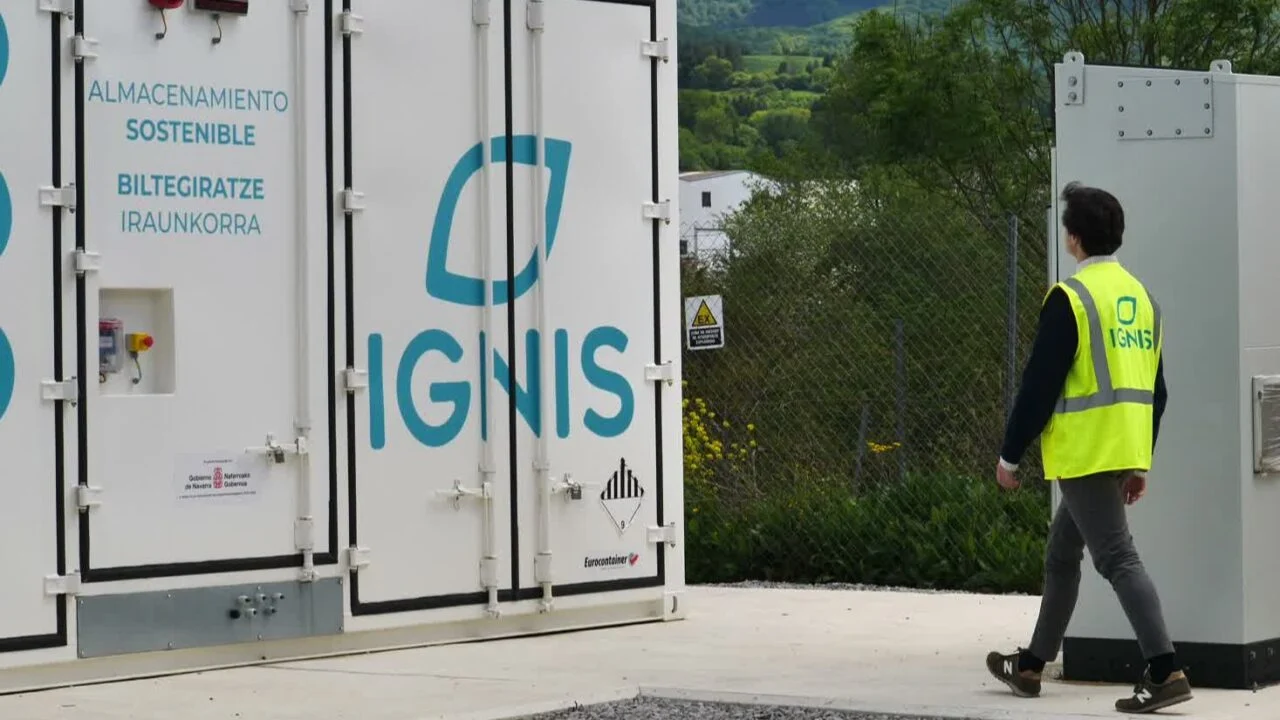
Power firm Engie has entered into a long-term flexibility purchase agreement with developer Ignis for 625MWh of BESS capacity in Spain.
Why it matters: The merchant-solar era in Spain is dead; if you aren't bundling storage with your PPA proposals, you're selling a stranded asset.
Flick AI is a CRM for solar installers: the AI answers WhatsApp leads in seconds, builds proposals with automatic panel layouts and books the site visit. See how it works.
This isn't just another press release; it’s the sound of the starting gun for the Spanish utility-scale storage market. When a heavyweight like Engie signs a long-term "flexibility purchase agreement" for 625MWh, they aren't just betting on batteries—they are securing an insurance policy against the cannibalization that is currently gutting the ROI of pure-play PV plants in Iberia.
The Bankability Breakthrough
Historically, BESS projects in Spain have lived and died by merchant risk—betting on the spread between peak and off-peak hours. That makes bankers sweat. By stepping in as an offtaker, Engie provides the revenue certainty required to hit the P90 debt-coverage ratios that move projects from "planned" to "commissioned." For developers, this is the template. If you can't find an offtaker to de-risk your flexibility, your cost of capital will remain too high to compete in a saturated market.
For the medium-sized installer or C&I developer, the message is clear: the merchant-only era of solar is over. If you are proposing a 5MW or 10MW project in Extremadura or Andalusia today without at least a 2-hour BESS component, you are selling your client a depreciating asset. The big players are moving into "flexibility" as a service, and soon, the grid operators will mandate it via the long-awaited Spanish Capacity Mechanism. Don't wait for the regulation to catch up; the smart money like Ignis is already signing the contracts.