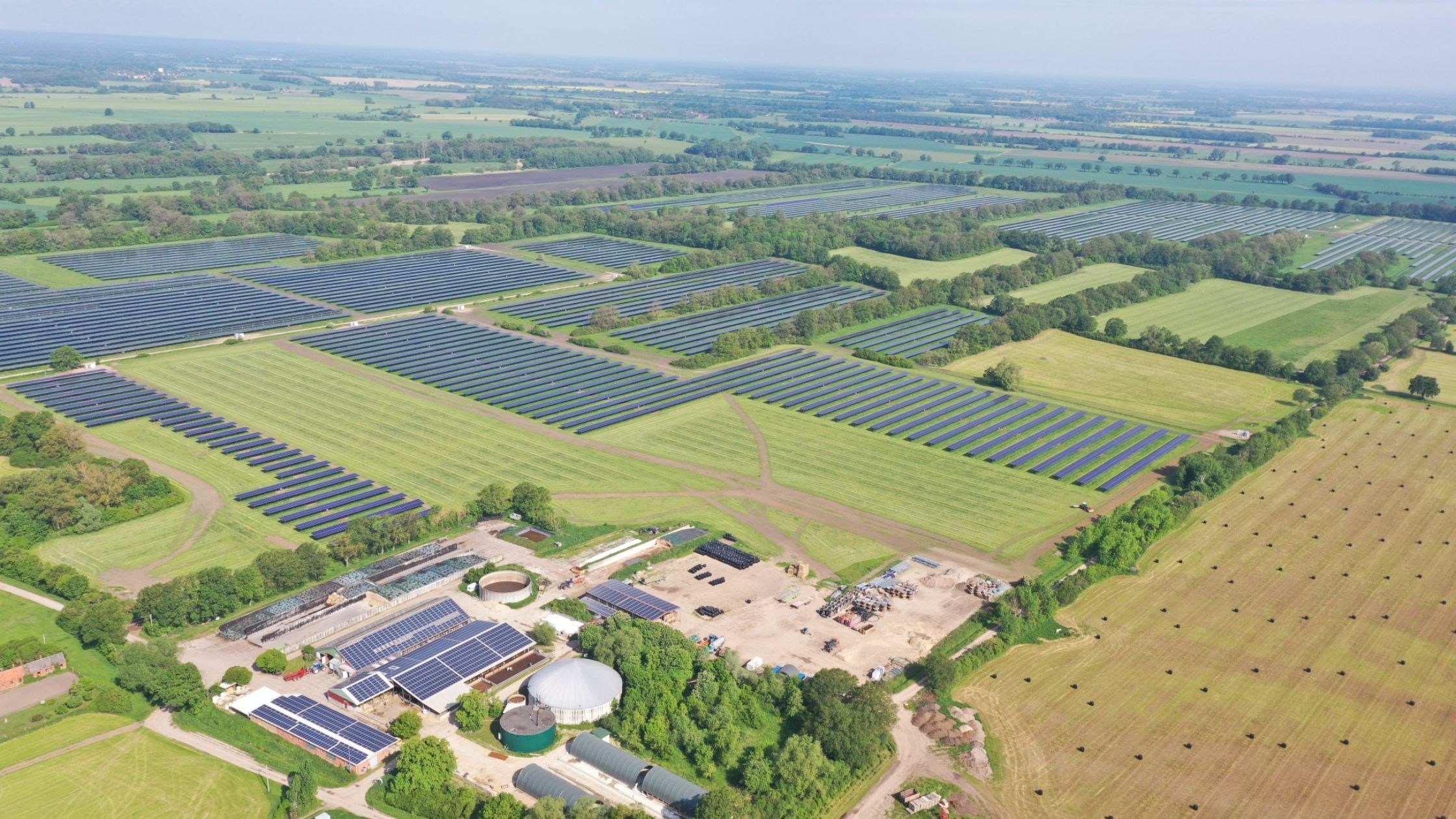
Operational since February 2026, the park will produce around 87 GWh of renewable electricity annually, benefiting approximately 25,000 households.
Why it matters: Agri-PV has moved from small-scale pilots to 69MW bankable assets, proving it's now a viable strategy for bypassing land-use restrictions across the EU.
Flick AI is a CRM for solar installers: the AI answers WhatsApp leads in seconds, builds proposals with automatic panel layouts and books the site visit. See how it works.
The End of the 'Experimental' Era
For years, Agri-PV has been the industry’s favorite talking point that nobody actually built at scale. We saw 500kW pilots and 2MW research projects. But Tion Renewables acquiring a 69 MWp operational asset in Saxony-Anhalt is a flashing neon sign that the 'experimental' phase is over. When institutional-grade buyers like Tion start snapping up these projects on the secondary market, it means the technical risks—tracker reliability, specialized mounting structures, and O&M logistics around farm machinery—have been de-risked to the point of bankability.
The Solarpaket I Effect
This deal doesn't happen in a vacuum. Germany’s Solarpaket I has been a game-changer by carving out specific tender categories and higher feed-in premiums for 'special' PV systems, including Agri-PV. By providing a clear financial path for the extra CAPEX required for elevated structures or vertical bifacial setups, the German government has essentially created a new asset class. For developers in Iberia or the Netherlands, where land-use conflicts are the #1 killer of utility-scale pipelines, this German model is the roadmap. If you aren't already talking to your mounting system suppliers about dual-use configurations, you’re essentially planning for a shrinking market.
Follow the Money
Notice the developer-to-investor flip here. FEFA Projekt did the heavy lifting of permitting and construction; Tion Renewables provides the long-term capital. This liquidity is vital. It proves that Agri-PV projects aren't just 'feel-good' ESG trophies—they are yield-generating machines that can be traded just like any traditional ground-mount site. With a yield of 87 GWh from 69 MWp, the efficiency loss from wider row spacing or higher mounting is clearly being offset by the bifacial gain and the lack of local NIMBY opposition that usually plagues traditional parks.