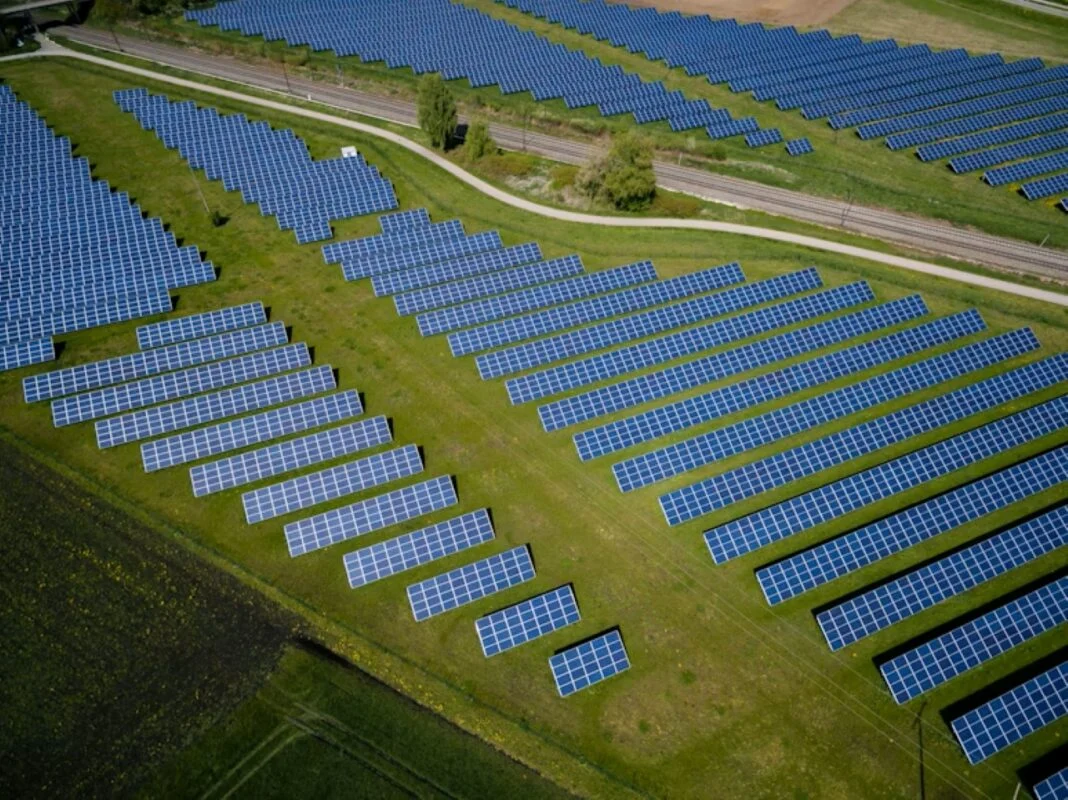
Renewable energy accounted for 31.7% of global electricity generation in 2024, with solar power contributing 2,105.8TWh, according to IRENA.
Why it matters: Total generation volume is secondary to price cannibalization; if you aren't selling storage and load-shifting, you're selling a devaluing asset.
Flick AI is a CRM for solar installers: the AI answers WhatsApp leads in seconds, builds proposals with automatic panel layouts and books the site visit. See how it works.
On paper, IRENA’s latest figures look like a victory lap. A 30% year-on-year jump in solar generation is staggering. But for those of us on the ground in Iberia or the DACH region, these numbers don't represent a celebration—they represent a structural crisis in value capture. We are officially entering the era of 'too much of a good thing' at the wrong time of day.
The Cannibalization Trap
While the world hits 2,105 TWh of solar, the capture price for that energy is cratering. In Spain, we've already seen the OMIE day-ahead market hit zero or negative prices for record-breaking stretches. If you are a developer still pitching a 5-year ROI based on historical average spot prices, you are effectively lying to your clients. When generation grows by 30% but demand remains flat or decoupled, the 'Solar Duck Curve' isn't just a nuance anymore; it’s a margin killer.
The Pivot from Volume to Value
The smart money in Europe has stopped obsessing over peak kWp. Here is the reality for installers this quarter:
We’ve spent a decade proving we can build solar fast. Now we have to prove we can make it useful. If your business model relies on 'free fuel' as the primary selling point, you’re ignored the fact that in many EU markets, that fuel is now worth less than the cost of the inverter that processed it during peak hours.