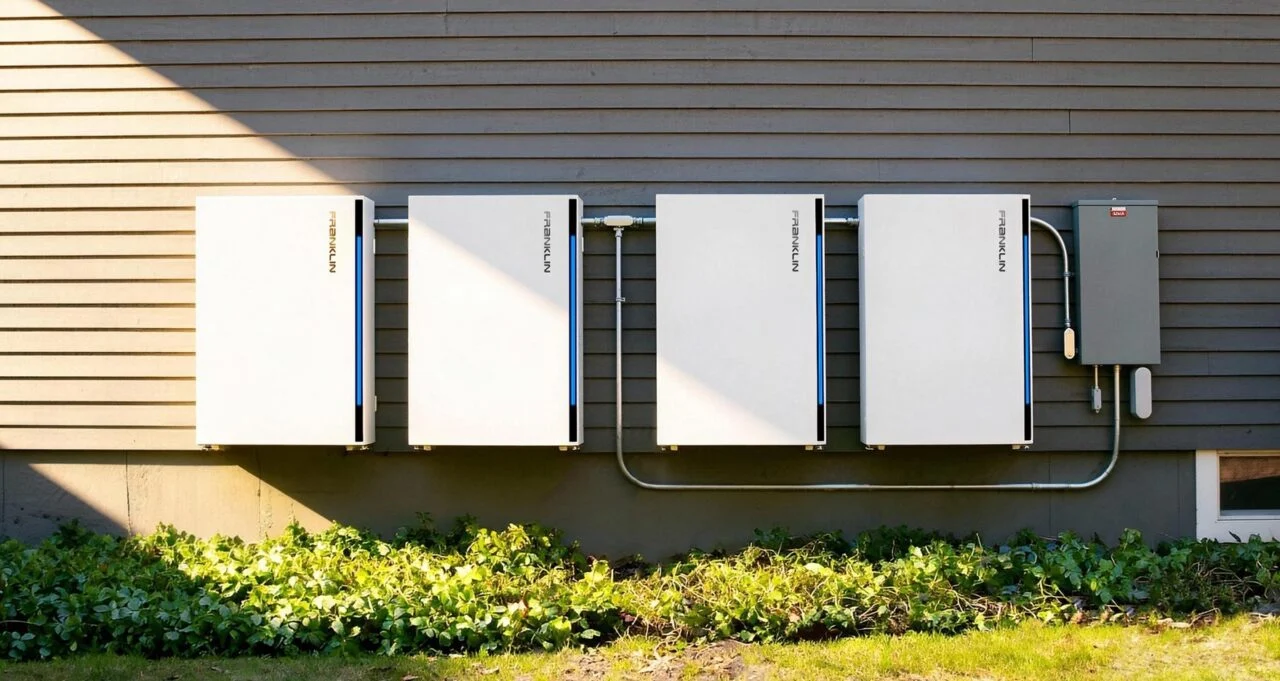
Distributed energy resource (DER)-focused companies Sunrun and FranklinWH are expanding in California and Texas, US, respectively.
Why it matters: Stop selling batteries as 'blackout protection' and start selling them as grid-service assets, or watch your margins vanish as subsidies dry up.
Flick AI is a CRM for solar installers: the AI answers WhatsApp leads in seconds, builds proposals with automatic panel layouts and books the site visit. See how it works.
The End of the 'Backup Only' Sales Pitch
If you are still selling home batteries in Europe primarily as 'blackout protection,' you’re selling a luxury toy rather than a financial tool. The news that Sunrun and FranklinWH are scaling up Virtual Power Plants (VPPs) in the US is the loudest signal yet that the battery’s primary job is changing from storing energy to trading it. In California, Sunrun’s 'PowerPro' program isn't just about altruism; it’s about high-margin recurring revenue that stabilizes the grid when it’s screaming for help.
Why This Hits Home in Iberia and Benelux
We are seeing the same physics play out in Europe. As feed-in tariffs (FiTs) across Portugal and Spain continue to dwindle toward zero, the ROI for a standard 5kW PV system without smart storage is becoming harder to justify to a savvy C&I client. The US model shows us that the real money isn't in the hardware—it's in the digital handshake between the inverter and the utility. When Octopus Energy or Sonnen manages a fleet of batteries in Germany or the UK, they are doing exactly what Sunrun is doing: turning a liability (grid instability) into an asset class.
The FranklinWH Factor
Keep an eye on FranklinWH. While the industry fixates on Tesla’s Powerwall 3, FranklinWH is quietly winning over installers by playing nice with existing systems. For a European installer, the lesson is clear: don't get locked into a proprietary ecosystem that won't let you participate in local grid services. If your hardware provider doesn't have an API strategy for VPP participation, they are selling you a paperweight for 2026. In the Netherlands, where net metering is on the chopping block, the ability to aggregate 50 residential installs into a 500kWh 'virtual' buffer is the only way to protect your customers' 7-year payback period.