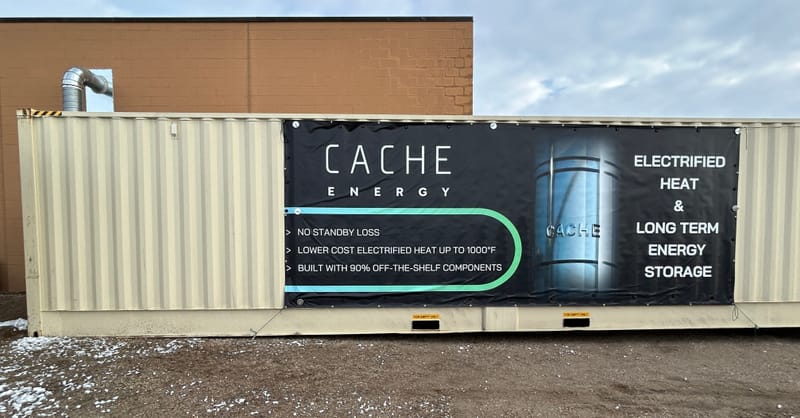
Today, the pair — affectionately known as Bert and Ernie — produce more power each year than the semirural campus consumes.
Why it matters: As grid injection fees rise, selling 'heat-as-a-service' via thermal storage is your best hedge against solar curtailment and zero-value export hours.
Flick AI is a CRM for solar installers: the AI answers WhatsApp leads in seconds, builds proposals with automatic panel layouts and books the site visit. See how it works.
The Arbitrage of Heat
While European installers are currently tripping over themselves to sell 10kWh lithium-ion packs to residential clients, the real game for C&I (Commercial and Industrial) is shifting toward thermal energy storage (TES). The Minnesota Morris project isn't just a feel-good campus story; it’s a technical solution to a problem currently strangling projects in markets like Spain, Poland, and the Netherlands: curtailment.
In Iberia, we’re seeing spot prices hit zero or go negative during peak solar hours with increasing frequency. If you’re a developer building a 1MWp rooftop system for a food processing plant or a hospital, dumping that excess energy back into a congested grid for nothing is a financial sin. Lithium-ion is often too expensive for the 8-12 hour discharge cycles needed to decarbonize industrial heat. Thermal batteries—whether using crushed rock, molten salts, or phase-change materials—offer a Levelized Cost of Storage (LCOS) that makes Li-ion look like a luxury hobby for short-term frequency response.
Why This Wins in the EU Market
We’ve seen this pattern before. The smart money isn't just chasing electrons; it's chasing the thermal load. European players like Kyoto Group or EnergyNest are already deploying similar tech. If you aren't talking to your industrial clients about thermal decoupling, you're leaving 40% of their energy spend—and your potential margin—on the table.