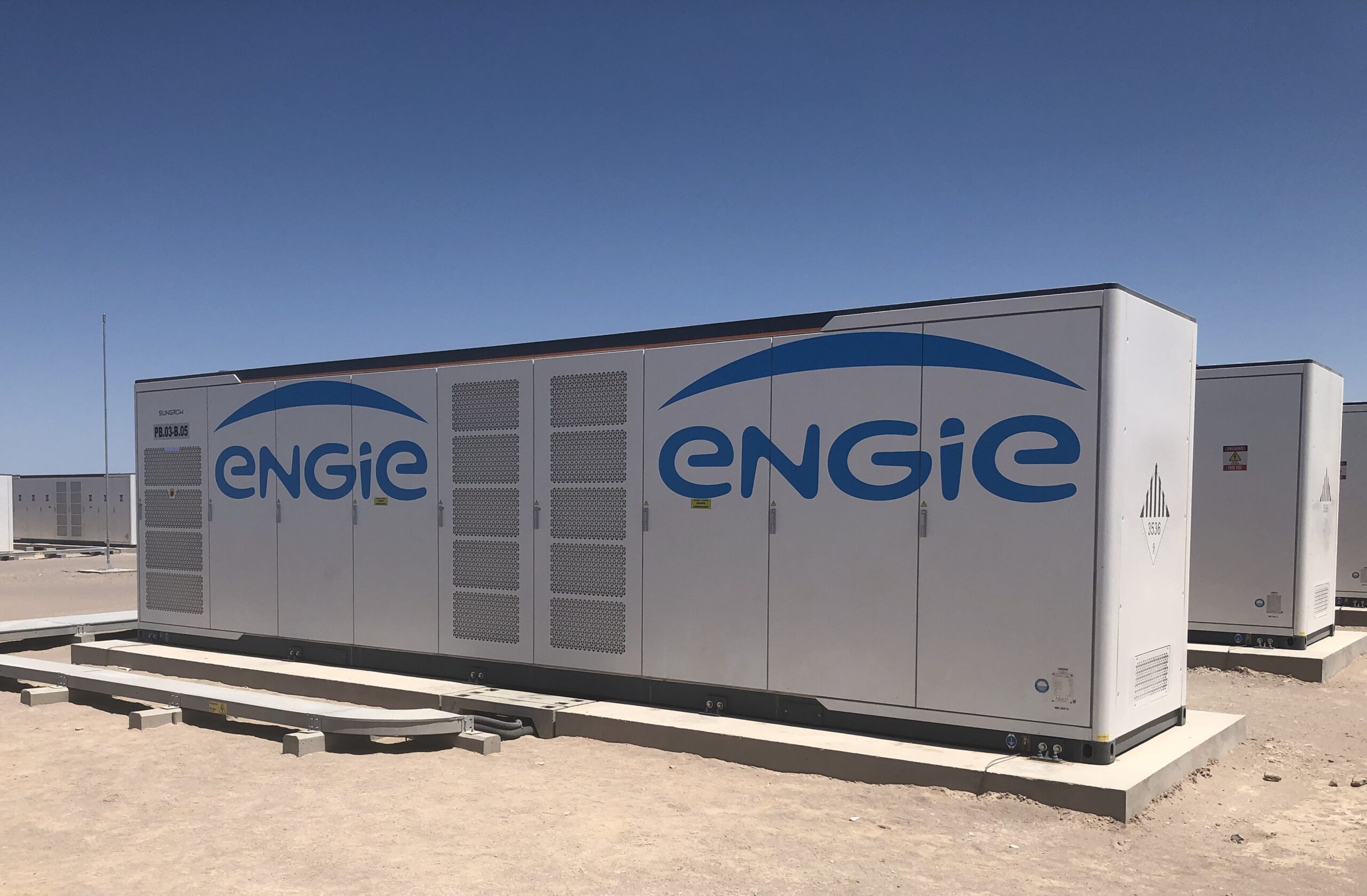
Return y Engie firman un acuerdo de full tolling a diez años para tres proyectos BESS en España
Why it matters: The bankable BESS model has finally landed in Iberia—if you aren't pitching tolling structures to your investors, you're 12 months behind the market curve.
Flick AI is a CRM for solar installers: the AI answers WhatsApp leads in seconds, builds proposals with automatic panel layouts and books the site visit. See how it works.
For years, Spanish developers have been staring at battery spreadsheets like they were reading tea leaves. The merchant model—purely betting on the price spread between the midday solar trough and the evening peak—is a cardiac event waiting to happen for most conservative lenders. The Engie and Return deal changes the atmosphere. By signing a 10-year "full tolling" agreement, the risk profile of BESS in Iberia has officially shifted from speculative to infrastructure-grade.
The Death of the Merchant Fantasy
Let’s be blunt: most C&I and small utility-scale installers in Spain are struggling to make BESS math work because of the volatility. In a tolling agreement, the developer (Return) provides the capacity, and the utility (Engie) pays a fixed fee to control the dispatch. Engie takes the market risk; Return gets the bankable certainty. If you are pitching a project in Zaragoza or Extremadura right now without a tolling or capacity-payment conversation, you are fighting an uphill battle against rising interest rates.
We’ve seen this pattern before in the UK and German markets. First comes the hype, then the 'valley of death' where nobody can get financing, and finally, the arrival of tolling agreements that unlock the floodgates. If you’re an EPC, this is your signal to stop selling batteries and start selling bankable capacity. The 130 MWp mention in the article is a scale warning: the small players will get squeezed unless they can aggregate their systems into similar utility-scale offerings.