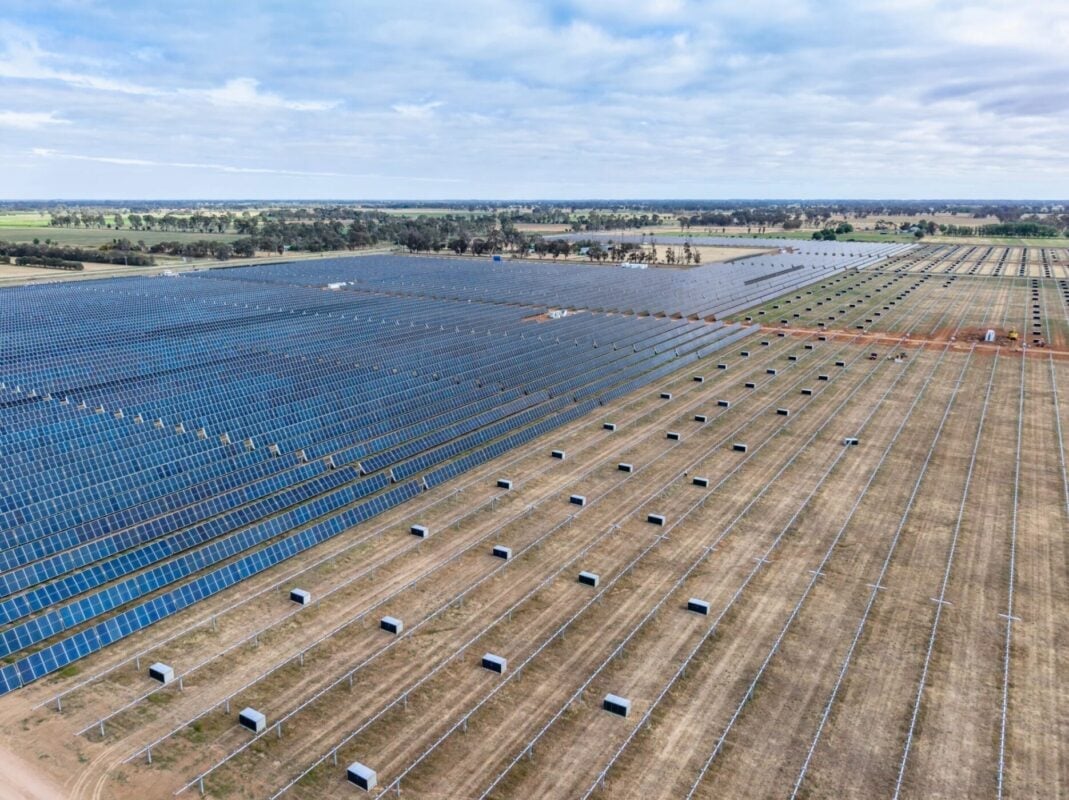
Australia's Clean Energy Investor Group has urged the federal government to accelerate the implementation of the reformed Environment Protection and Biodiversity Conservation (EPBC) Act.
Why it matters: Permitting is the new 'silicon shortage'—the primary bottleneck that will determine which developers survive the next three years of market consolidation.
Flick AI is a CRM for solar installers: the AI answers WhatsApp leads in seconds, builds proposals with automatic panel layouts and books the site visit. See how it works.
If you think the bureaucracy in Brussels or the regional planning offices in Castelo Branco are slow, take a long look at Australia. The Clean Energy Investor Group (CEIG) is screaming for the EPBC Act reforms because, right now, the 'green versus green' conflict is strangling projects in the cradle. This isn't just an Aussie problem; it is the exact same friction point we’re seeing with the EU’s Nature Restoration Law and the rollout of RED III 'acceleration areas.'
The Permitting Paradox
We are in a weird era where the very environmental laws designed to protect the planet are the primary obstacle to saving it. In the EU, we’ve seen utility-scale projects delayed by 24+ months because of a single nesting pair of Montagu's harriers. Australia’s EPBC mess is a warning: when you don't have clear, fast-tracked environmental standards, capital doesn't just wait—it evaporates. For a developer in Iberia or Germany, the signal here is that 'Nature-Positive' solar is no longer a niche ESG buzzword; it’s a core survival skill for your planning department.
Stop looking at this as 'overseas news.' It’s a case study in why we need to lobby for 'silent consent' mechanisms in European permitting. If the regulator doesn't find a problem in 90 days, the project should move. Anything less is just managed decline.