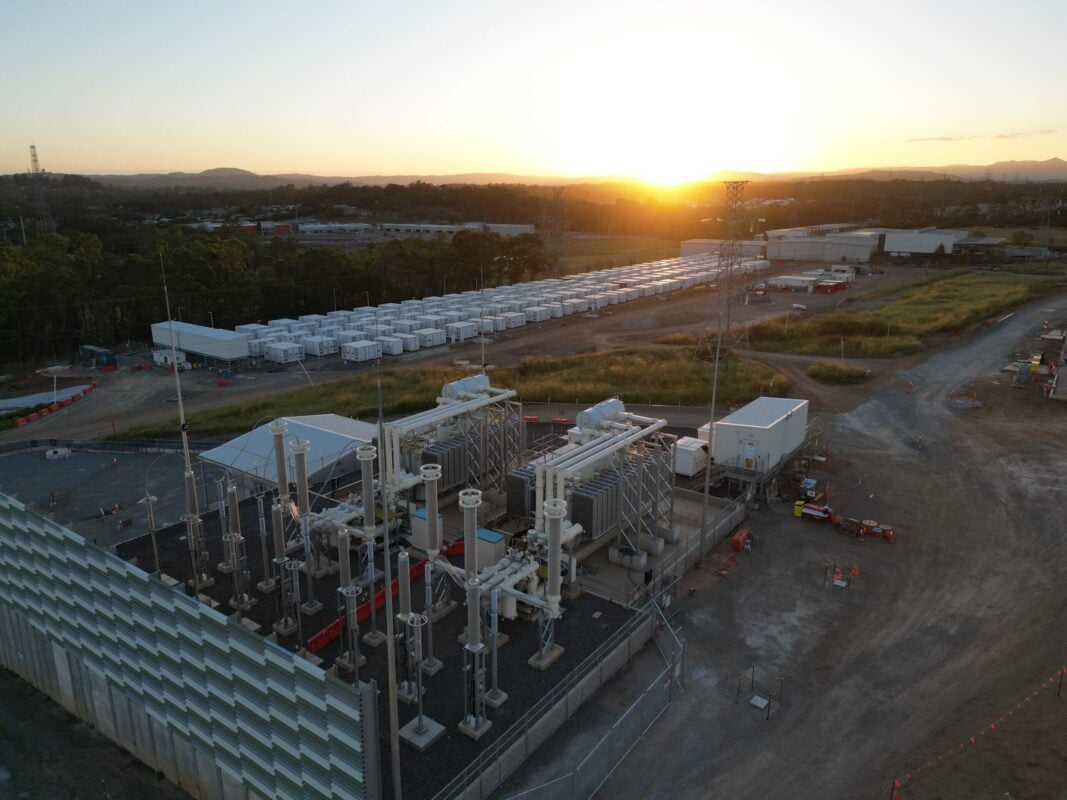
Ark Energy secures AU$1.3 billion for 2.2GWh Richmond Valley project; Quinbrook submits 250MWp Queensland site.
Why it matters: Stop selling solar and start selling dispatchable power, or your projects will be curtailed into irrelevance within three years.
Flick AI is a CRM for solar installers: the AI answers WhatsApp leads in seconds, builds proposals with automatic panel layouts and books the site visit. See how it works.
While some European installers are still squabbling over 10kWh residential stacks, Australia is writing the playbook for the only way solar survives at scale: Massive-scale firming. Ark Energy’s AU$1.3 billion (approx. €800m) bet on 2.2GWh of storage isn't just about big numbers; it’s about the final expiration of the 'standalone solar' business model.
The 'Australian Mirror' for Iberia
New South Wales has a grid profile that looks remarkably like Portugal and Spain—high solar penetration, aging coal assets, and a desperate need for evening ramp-up power. When you see a 2.2GWh project get funded, it signals that the finance world has stopped viewing storage as a 'nice-to-have' add-on and now sees it as the primary asset, with the PV array acting merely as a low-cost charger. If you are developing 5-20MW C&I projects in the EU today without a 2-hour BESS, you are building a stranded asset that will be curtailed into oblivion by 2027.
Stop pitching 'payback periods' based on current spot prices. Start pitching 'energy independence and price floor security.' If you don't, the big funds currently backing Ark Energy will move into the EU mid-market and eat your lunch with standardized, storage-heavy PPA offerings that make your PV-only proposal look like a toy.