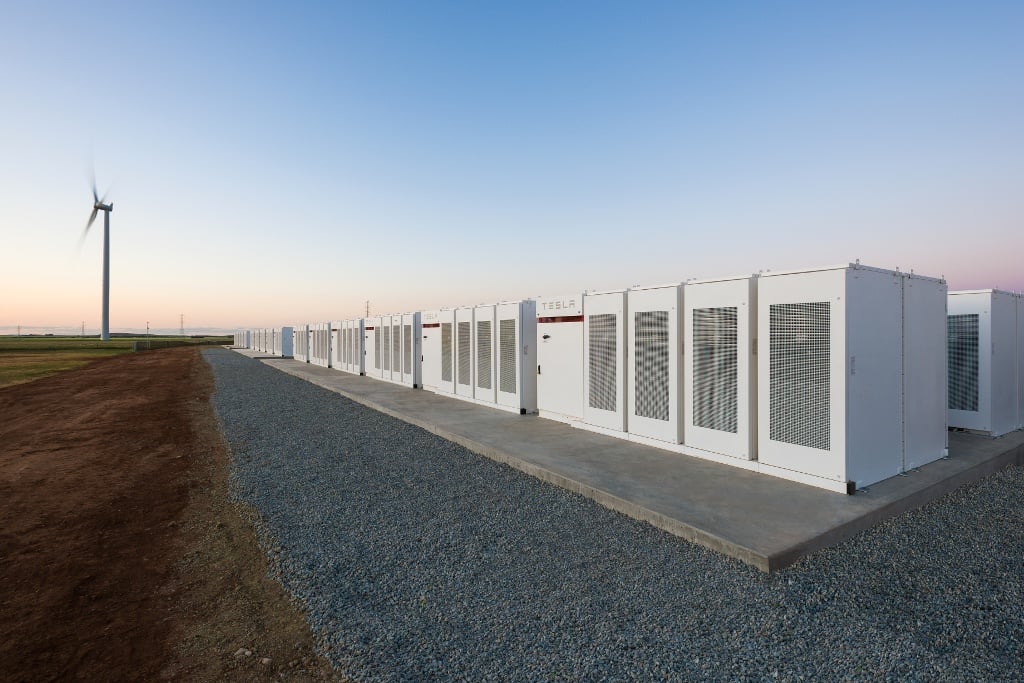
Neoen Australia has commenced construction of a 227MW/907MWh grid-forming battery storage system in South Australia.
Why it matters: Grid-forming 4-hour batteries are the only way to stop your large-scale solar projects from being curtailed by grid operators as RE penetration nears 70%.
Flick AI is a CRM for solar installers: the AI answers WhatsApp leads in seconds, builds proposals with automatic panel layouts and books the site visit. See how it works.
If you think a 900MWh project in the Australian outback doesn't affect your pipeline in Alentejo or North Rhine-Westphalia, you haven't been watching the curtailment charts lately. South Australia is the world’s laboratory for high-penetration renewables, and Neoen’s move to a 4-hour duration with grid-forming capabilities is the blueprint for the next phase of European solar development.
The Death of the 1-Hour Arbitrage Play
For years, BESS in Europe was about 'buy low, sell high' over a 60-minute window. That trade is getting crowded and thin. Neoen is signaling that the real money has moved to system strength. By using grid-forming inverters, this plant provides synthetic inertia—the 'spinning iron' traditionally provided by coal and gas turbines. In markets like Portugal and Spain, where solar penetration frequently pushes prices to zero (or negative) at midday, a 1-hour battery is a toy. You need 4 hours of depth to shift that energy into the evening peak and the grid-forming tech to keep REN or Red Eléctrica from throttling your project during frequency dips.
We’ve seen this pattern before. What happens in South Australia usually hits the EU grid three years later. Last year, several PV plants in Iberia saw 15-20% curtailment in specific nodes because the grid couldn't handle the 'dumb' solar injection. Neoen is building 'smart' storage that the grid actually wants. If you’re still pitching 'solar-only' to your PPA partners, you’re selling a product that the market is rapidly outgrowing.