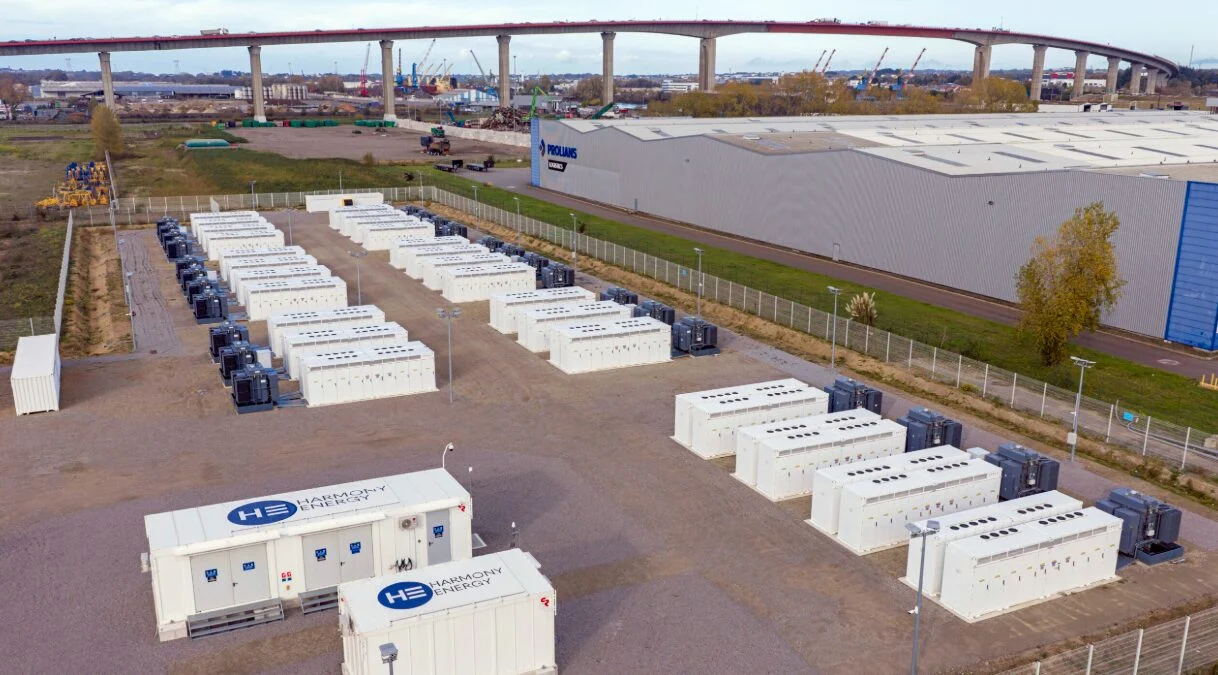
‘Business as usual, just accelerated’: Harmony Energy CEO on life after Alpiq acquisition
Why it matters: The era of the independent storage developer is closing; utilities are now buying pipelines whole to feed their high-frequency energy trading desks.
Flick AI is a CRM for solar installers: the AI answers WhatsApp leads in seconds, builds proposals with automatic panel layouts and books the site visit. See how it works.
When a Swiss utility giant like Alpiq—a company that lives and breathes complex energy trading—swallows a specialist developer like Harmony Energy, it’s not just a corporate milestone. It’s a signal that the "Wild West" era of boutique battery storage development in Europe is effectively over. If you are a mid-sized developer in Iberia or Central Europe, take note: the bar for entry just got ten stories higher.
The Trading Floor Always Wins
Why did Alpiq do this? It’s not just about owning 2-hour duration lithium-ion stacks. It’s about the intraday and ancillary services markets. Alpiq has a massive trading floor in Lausanne; Harmony has a pipeline of projects like the 196MWh Pillswood site. By bringing development in-house, Alpiq isn't just buying hardware; they are securing the "fuel" for their algorithmic trading engines. For local installers moving into C&I storage, this is your new competition. You aren't just competing against other installers; you're competing against utility-scale balance sheets that can monetize a battery 24/7 in ways a standalone factory owner can't even imagine.
Capital is the New Engineering
We’ve seen this movie before in the wind sector. Small, agile teams identify the sites and secure the grid connections, then the utilities move in to "industrialize" the process. The implications for the supply chain are brutal:
If your BESS strategy relies on being the "local expert" on hardware, you're vulnerable. The real money is moving toward portfolio-wide optimization. Alpiq doesn't care about the specific chemistry of a cell; they care about the delta between the 6 PM peak and the midnight trough. To survive, smaller players need to stop selling batteries and start selling market access.