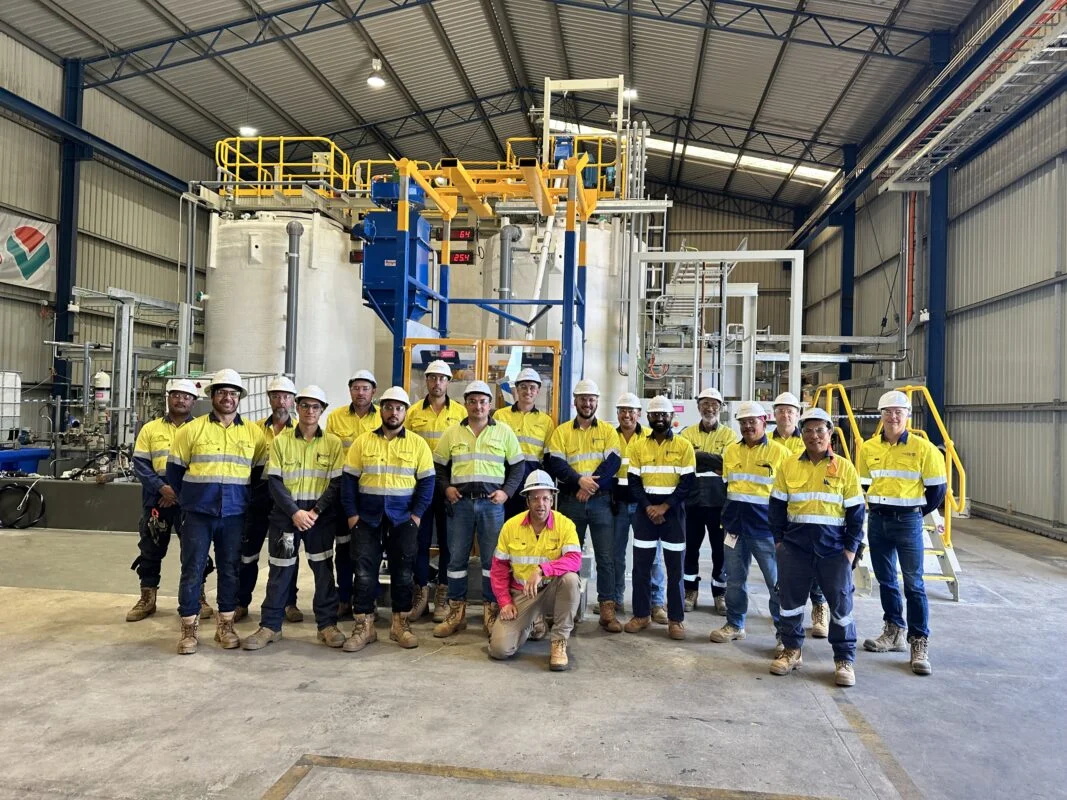
Australian Vanadium Limited has signed an MoU with Alcoa to evaluate the deployment of vanadium flow battery technology in Western Australia.
Why it matters: Industrial clients are tired of LFP degradation; if you can't pitch long-duration flow batteries for high-cycle factory sites, you'll lose the contract to someone who can.
Flick AI is a CRM for solar installers: the AI answers WhatsApp leads in seconds, builds proposals with automatic panel layouts and books the site visit. See how it works.
The Industrial Storage Pivot
While most residential installers are fighting over the scraps of the LFP price wars, the heavy-duty C&I sector is quietly moving toward long-duration energy storage (LDES). Alcoa’s move to evaluate 80MW of Vanadium Flow Battery (VFB) capacity isn't just an Australian curiosity; it’s a direct challenge to the assumption that Lithium-ion will own the entire grid. For an installer in Iberia or Germany, this is the signal that the 'infinite cycle' sales pitch is finally getting institutional backing.
The LCOS Reality Check: For a refinery or a 24/7 manufacturing plant, the Levelized Cost of Storage (LCOS) matters more than the upfront CAPEX. Lithium-ion (LFP) is great for 2-hour peaks, but it hates being cycled three times a day. VFBs, like those from European players CellCube or Invinity Energy Systems, can handle 20,000+ cycles over 25 years with near-zero degradation. If you are pitching a solar-plus-storage project to a high-demand industrial client in the EU, the 'forever battery' narrative is starting to beat the 'cheap lithium' story.
Permitting and the Safety Edge
Let’s talk about the elephant in the room: EU fire regulations. Permitting a 50MWh LFP installation near sensitive industrial infrastructure or urban logistics hubs is becoming a bureaucratic nightmare due to thermal runaway risks. Vanadium electrolyte is non-flammable. In the context of the EU Battery Regulation (2023/1542), which mandates strict carbon footprint and recovery rules, the 100% recyclability of vanadium electrolyte gives it a massive ESG advantage over the complex, often toxic recycling process of lithium cells.
If a conservative giant like Alcoa is ready to move past the MoU stage, the technology has reached the 'bankable' threshold. It's time to stop thinking of storage as just a 5kWh box on a garage wall and start looking at the flow-based future of industrial microgrids.