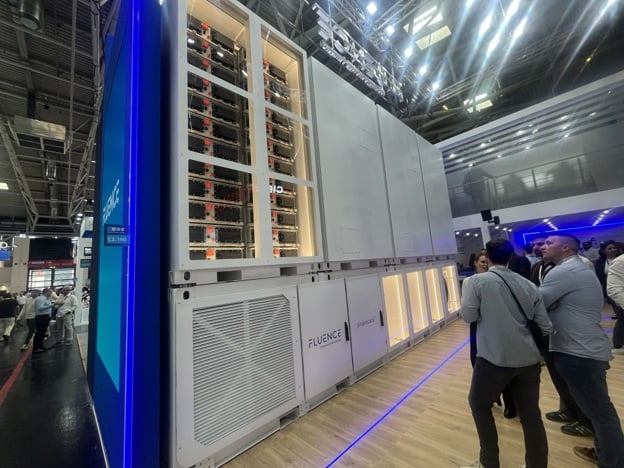
Manufacturing delays have led Fluence to adjust its fiscal year 2026 guidance, even as the company has logged record quarterly orders and a US$6.4 billion backlog.
Why it matters: The AI-driven data center boom is sucking up BESS supply, and Fluence’s manufacturing delays are your early warning that Tier-1 hardware will be scarce and expensive through 2026.
Flick AI is a CRM for solar installers: the AI answers WhatsApp leads in seconds, builds proposals with automatic panel layouts and books the site visit. See how it works.
The AI Whale vs. The C&I Minnow
When a giant like Fluence—born from the pedigree of Siemens and AES—admits to manufacturing delays despite a staggering $6.4 billion backlog, the European C&I sector needs to pay attention. This isn't just a corporate accounting hiccup; it's a signal that the 'AI gold rush' is officially cannibalizing the battery supply chain. For an installer in Iberia or Germany, the message is clear: you are now competing for cells against some of the deepest pockets on the planet.
The Margin Trap of the 'Record Backlog'
Fluence’s pivot into the data center market is a logical move for them—data centers require massive, reliable discharge rates and have zero price sensitivity compared to a mid-sized textile factory in Porto. However, the 'manufacturing ramp-up delays' mentioned are the red flag. If Fluence is struggling to scale its Gridstack or Sunstack architectures fast enough to meet 2026 targets, the ripple effect will hit Tier 2 and Tier 3 providers next. We’ve seen this pattern before in the inverter shortage of 2022: the big projects get the priority shipments, while the 500kW–2MW projects get 'updated delivery windows' that kill project IRRs.