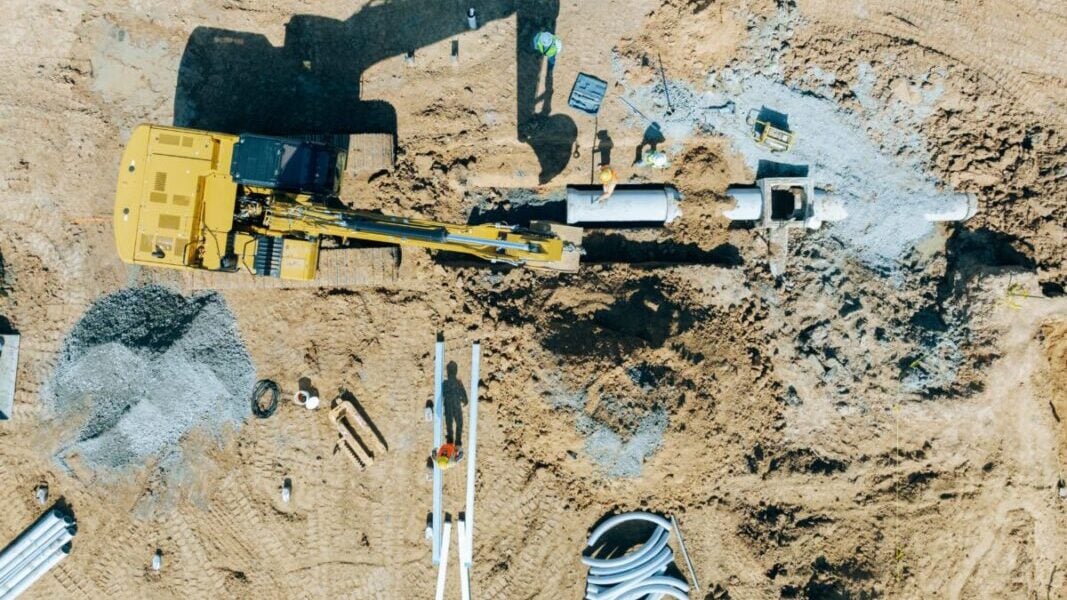
GridStor, a US-based developer and operator of grid-scale battery energy storage systems (BESS) has closed a US$220 million financing agreement for the 100MW/400MWh White Tank project in Arizona, US.
Why it matters: The 4-hour duration is no longer a luxury; it is the mandatory baseline for surviving solar price cannibalization—a lesson EU installers must learn before the 2025 season.
Flick AI is a CRM for solar installers: the AI answers WhatsApp leads in seconds, builds proposals with automatic panel layouts and books the site visit. See how it works.
Stop looking at the $220 million headline and start looking at the duration: 4 hours. While many European developers are still trying to make the numbers work on 1-hour or 2-hour 'power' batteries for frequency response, the US desert is showing us the inevitable endgame. When solar penetration hits a certain threshold, the game shifts from 'helping the grid breathe' to 'moving the sun to the moon.'
The $550/kWh Reality Check
Let’s talk money. $220 million for 400MWh works out to $550 per kWh of installed capacity. If you’re an installer in Iberia or Italy quoting C&I clients based on the falling price of LFP cells alone, you’re hallucinating. This GridStor deal reminds us that the 'soft-cost iceberg'—land, interconnection, EPC wraps, and high-interest financing—is what actually dictates the ROI. In Europe, where permitting can take three times as long as in Arizona, those carrying costs are even more lethal.
Why Duration is the New Efficiency
The Arizona sun creates the same price craters we see in the Alentejo or Puglia. If your 2025 strategy doesn't include a pivot toward longer-duration storage financing, you're building systems that will be economically obsolete before the first warranty check.